

Baldo vs Osmancık vs Basmati: Choosing the Right Rice
Baldo or osmancık? What makes basmati different? We compare these rice varieties by grain, starch and texture, explain which rice suits which dish, and share tips for a perfect pilaf.
One of the most common kitchen questions in Türkiye is: baldo or osmancık? Rice varieties differ in grain length, starch content and how much water they absorb. Choosing the right one decides whether your pilaf turns out fluffy or soft.
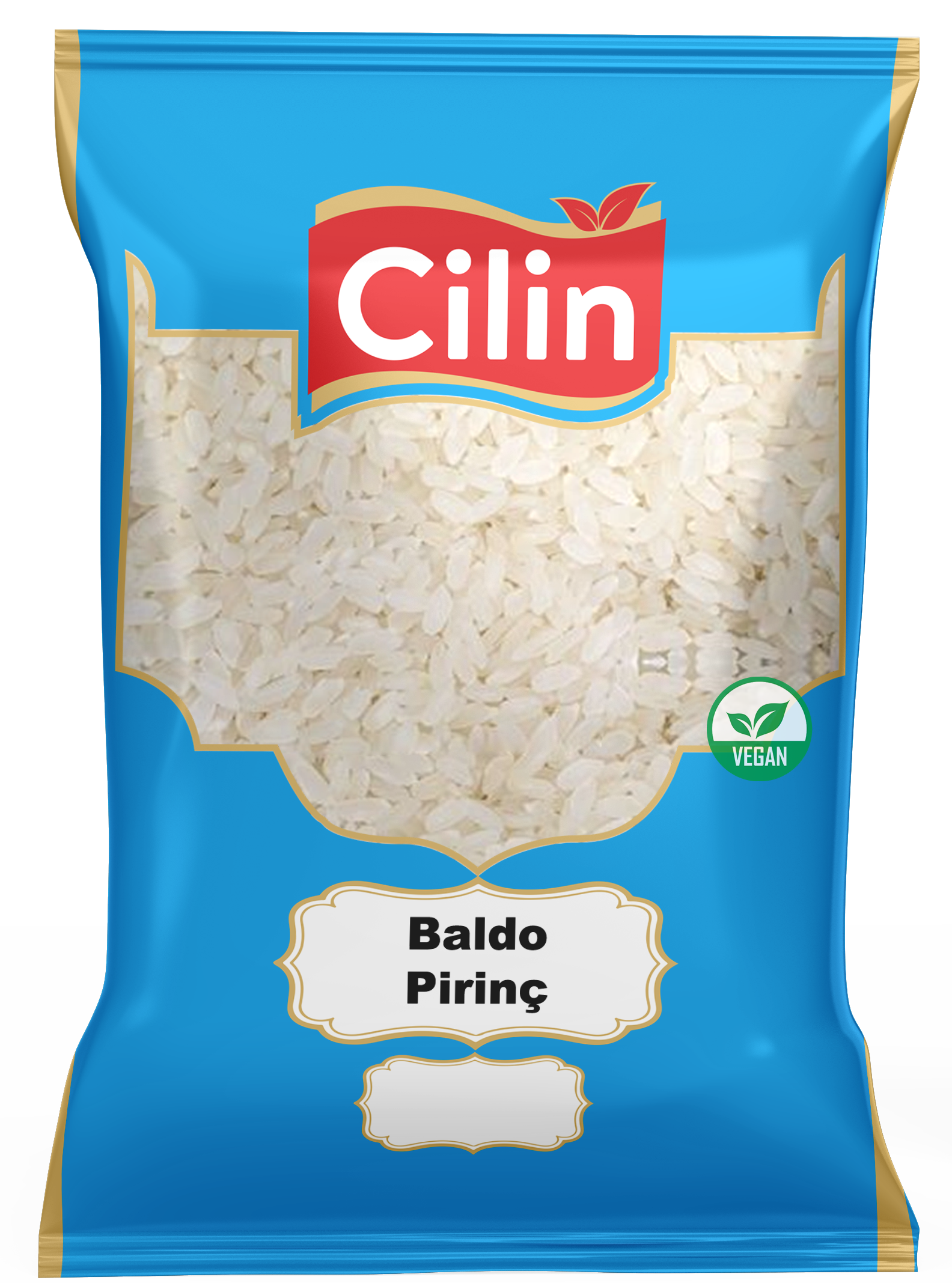
Baldo rice
Baldo is a large, plump grain with high starch content. It absorbs a lot of water and expands noticeably as it cooks, giving a soft, flavourful pilaf. It is ideal for buttery Turkish pilaf, iç pilav, stuffed vegetables, vine leaves and rice pudding. Example: Serda Baldo Rice.
Osmancık rice
Osmancık is a medium-grain Turkish variety with less starch than baldo, so it does not stick and gives a light, separate pilaf. It is an economical, practical choice for everyday pilaf, side dishes and food service kitchens. Example: Cilin Osmancık Rice.
Basmati rice
Basmati has slender, long grains and a distinctive fragrance. The grains lengthen as they cook and stay separate. It is ideal for biryani, Asian and Middle Eastern rice dishes and vegetable dishes. Example: Cilin Basmati Rice.
Comparison table
| Feature | Baldo | Osmancık | Basmati |
|---|---|---|---|
| Grain | Large, plump | Medium | Slender, long |
| Starch | High | Medium | Low |
| Texture | Soft | Separate | Separate, fluffy |
| Approx. water ratio | 1 : 1.75 | 1 : 1.5 | 1 : 1.5 |
| Best for | Pilaf, dolma, rice pudding | Everyday pilaf | Biryani, Asian dishes |
Water ratios vary with your pot and heat, so adjust after the first try.
Tips for perfect, separate rice
- Rinse the rice several times until the water runs clear, then drain.
- Soaking baldo for 20 to 30 minutes in warm salted water gives plumper grains.
- Toast the rice in butter until translucent, then add boiling water.
- Keep the lid on while cooking and let it rest for 10 minutes off the heat.