
Bulgur vs Rice: Nutrition, Taste and Cooking Compared
Bulgur vs rice: which is more nutritious? We compare fibre, minerals, gluten and cooking times so you know when to cook bulgur and when to choose rice.
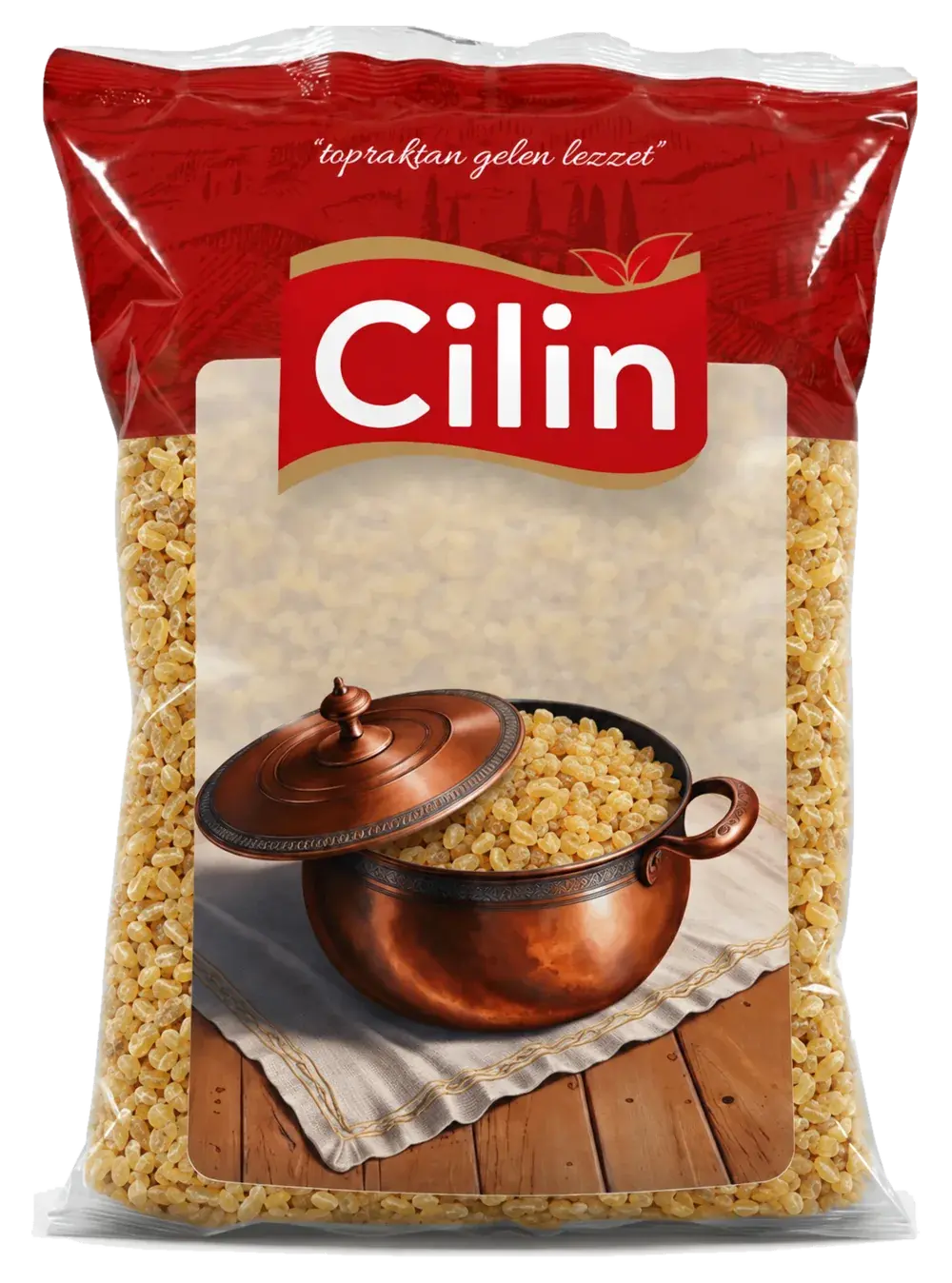
Bulgur vs rice is less about a winner and more about fit: bulgur is cracked whole wheat that keeps most of its bran, so it carries more fibre and minerals, while white rice is lighter, naturally gluten-free and easy to digest. Below we compare the two grains on nutrition, kitchen use and cooking.
What is the difference between bulgur and rice?
Bulgur is made by parboiling wheat, drying it and cracking it into pieces. Because the kernel is cooked whole, much of the bran and germ stays in the grain. White rice is hulled and polished, which removes the bran and germ. On the plate they can look alike, but their nutrition differs.
Bulgur vs rice: which is more nutritious?
- Fibre: bulgur contains clearly more fibre than white rice, which helps you feel full.
- Minerals and B vitamins: as a whole grain, bulgur is richer in magnesium, iron and B vitamins.
- Glycaemic index: bulgur has a lower glycaemic index than white rice.
- Gluten: bulgur is wheat, so it contains gluten; rice is naturally gluten-free.
In short, bulgur suits anyone looking for more whole grains, while rice is the right choice for people who avoid gluten.
When should you cook bulgur, and when rice?
Coarse bulgur makes a fluffy pilaf to serve with meat and vegetables, plain or with tomato or vermicelli. Fine bulgur is for tabbouleh-style salads and kibbeh. With rice the choice depends on the dish: Turkish baldo rice gives tender, separate grains for pilaf, rice pudding and stuffed vegetables, while basmati suits lighter Asian and Gulf dishes.
Cooking times and water ratios
- Coarse bulgur: no soaking needed. Add about two cups of hot water or stock to one cup of bulgur, simmer on low heat for 15–20 minutes, then rest for 10 minutes.
- Baldo rice: soak for 20–30 minutes in warm salted water and drain. Add about one and a half cups of hot water per cup of rice, cook for 15–18 minutes and let it rest.
For both grains, avoid lifting the lid while they cook so the grains stay whole.
Frequently asked questions
Is bulgur pilaf healthier than rice pilaf?
Bulgur pilaf gives you more fibre and minerals. Rice pilaf is lighter and gluten-free, so the better choice depends on your diet.
Is bulgur gluten-free?
No. Bulgur is made from wheat and contains gluten. On a gluten-free diet, choose rice, buckwheat or lentils instead.
Do you need to soak bulgur before cooking?
Coarse bulgur can be cooked without soaking. Fine bulgur is usually soaked in hot water for a short time before use.
Cilin coarse bulgur and baldo rice are sieved, cleaned and packed at our facility in Mersin, Türkiye. For wholesale and export orders, get in touch with our export desk.