
How to Import Pulses from Turkey: A Step-by-Step Guide
How to import pulses from Turkey, step by step: inquiry, quotation, samples, contract, export documents, container loading, shipping and customs clearance.
Importing pulses from Turkey starts with a clear inquiry and ends when the goods clear customs at your port. In between come the quotation, samples, contract, export documents, container loading and sea freight. Running each step in order, and in writing, protects both quality and timing.
How to import pulses from Turkey: what goes in the first inquiry?
A precise inquiry brings a precise quote. In your first message, include:
- product, variety, grain size and crop year
- packing type, pack weight and label language
- quantity and destination port
- required documents and delivery terms (such as FOB, CFR or CIF)
Quotation, samples and contract
The supplier replies with a quotation or proforma invoice covering specifications, packing, delivery terms, payment terms and validity. Because pulse prices move with the harvest, exchange rates and freight, offers are usually valid for a short time.
Ask for samples before a large order and check moisture, foreign matter, broken grains, size and colour. The approved sample becomes the reference for the shipment. The contract should state specifications and tolerances, packing, shipment period, payment terms and the documents you need.
Export documents and container loading
A standard set includes the commercial invoice, packing list, bill of lading, certificate of origin and phytosanitary certificate. Depending on the destination, you may also need an analysis report, a fumigation certificate or a halal certificate. At loading, the container is checked to be clean and dry, photos are taken and the seal number is recorded.
What happens at customs on arrival?
Clearance is usually handled by the buyer's customs broker. Import permits, labelling and testing rules differ from country to country, so check them before you sign. Reviewing draft documents with your supplier before loading stops a small typo from holding the cargo at the port.
Frequently asked questions
Which documents are needed to import pulses?
The core set is the commercial invoice, packing list, bill of lading, certificate of origin and phytosanitary certificate. Some destinations ask for more.
Should I order samples first?
Yes. Samples show whether the product meets your specification and serve as the reference for the shipment.
What is the difference between FOB and CIF?
Under FOB the buyer arranges freight and insurance. Under CIF the seller pays freight and insurance to the destination port.
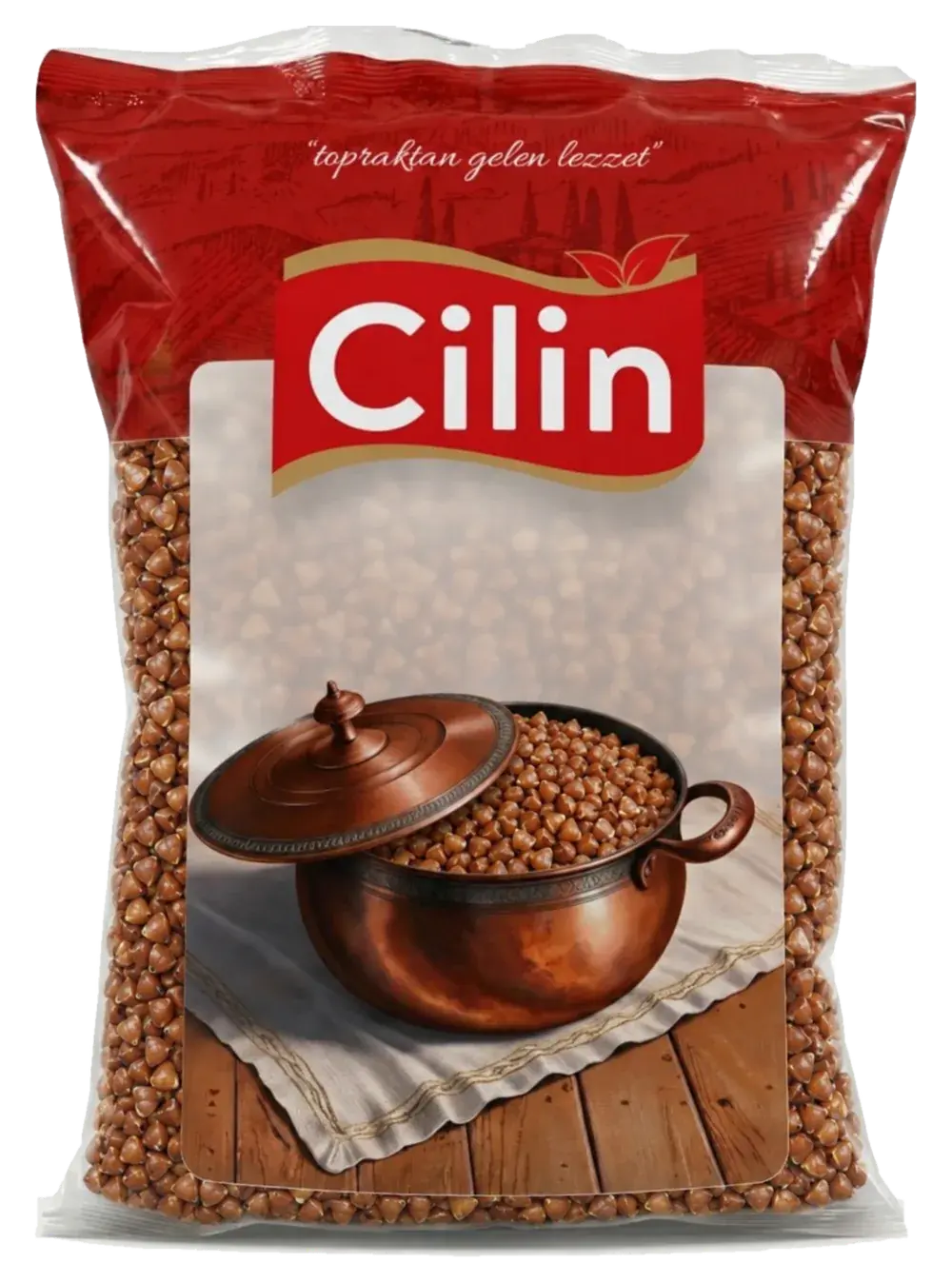
Reigna Gıda ships Cilin and Serda pulses, sieved and cleaned at our facility in Mersin, to buyers worldwide, including Cilin red lentils. Because prices depend on the destination country and the season, every buyer receives a personal quote. Contact our export desk through the contact page or write on WhatsApp at +90 501 600 35 82.