
Food Certifications Explained: Halal, ISO 22000, ISO 9001, TSE
Food certifications explained for importers: what TSE, Halal, ISO 9001 and ISO 22000 certify, how they differ, and how to check a supplier's certificates.
Food certifications show, with the approval of an independent body, what a producer controls and how. The four certificates pulse importers ask for most are TSE, Halal, ISO 9001 and ISO 22000: the first covers conformity with a standard, the second halal production, and the last two quality and food safety management.
What does a TSE certificate show?
A TSE certificate shows that the Turkish Standards Institution has confirmed a product is made to the relevant Turkish standard and that production is audited against it. For pulses, that means quality characteristics such as grain structure, foreign matter and moisture are kept within defined limits.
Why do buyers ask for halal certification?
Halal certification confirms that production, from raw material to packing, follows Islamic dietary rules and that steps are taken to prevent contact with non-halal substances. Pulses are plant foods by nature, yet many importers and retail chains, especially in markets with many Muslim consumers, require the certificate as standard.
ISO 9001 vs ISO 22000: what is the difference?
- ISO 9001 is a quality management system. It shows that processes are defined, recorded and continually improved.
- ISO 22000 is a food safety management system. Built on HACCP principles, it covers hazard identification, control of critical points and traceability.
Put simply, ISO 9001 assures that the work is well organised; ISO 22000 assures that the food is produced safely.
How can an importer check food certifications?
- Ask for a copy and check the company name, site address and scope.
- Look at the validity date; these certificates are renewed through regular audits.
- Note the issuing body and ask it for verification if needed.
Remember that these certificates cover production and its systems. Each shipment also gets its own documents, such as a certificate of origin, a phytosanitary certificate and an analysis report.
Frequently asked questions
Do pulses need halal certification?
Legal requirements vary by country, but many buyers and retail chains treat halal certification as a standard condition when choosing a supplier.
Is ISO 22000 the same as HACCP?
No. HACCP is a method based on hazard analysis; ISO 22000 is a broader management system standard that includes HACCP principles.
Are certificates issued for every shipment?
No. These certificates are issued for production and audited at regular intervals. Shipment documents are prepared separately for each loading.
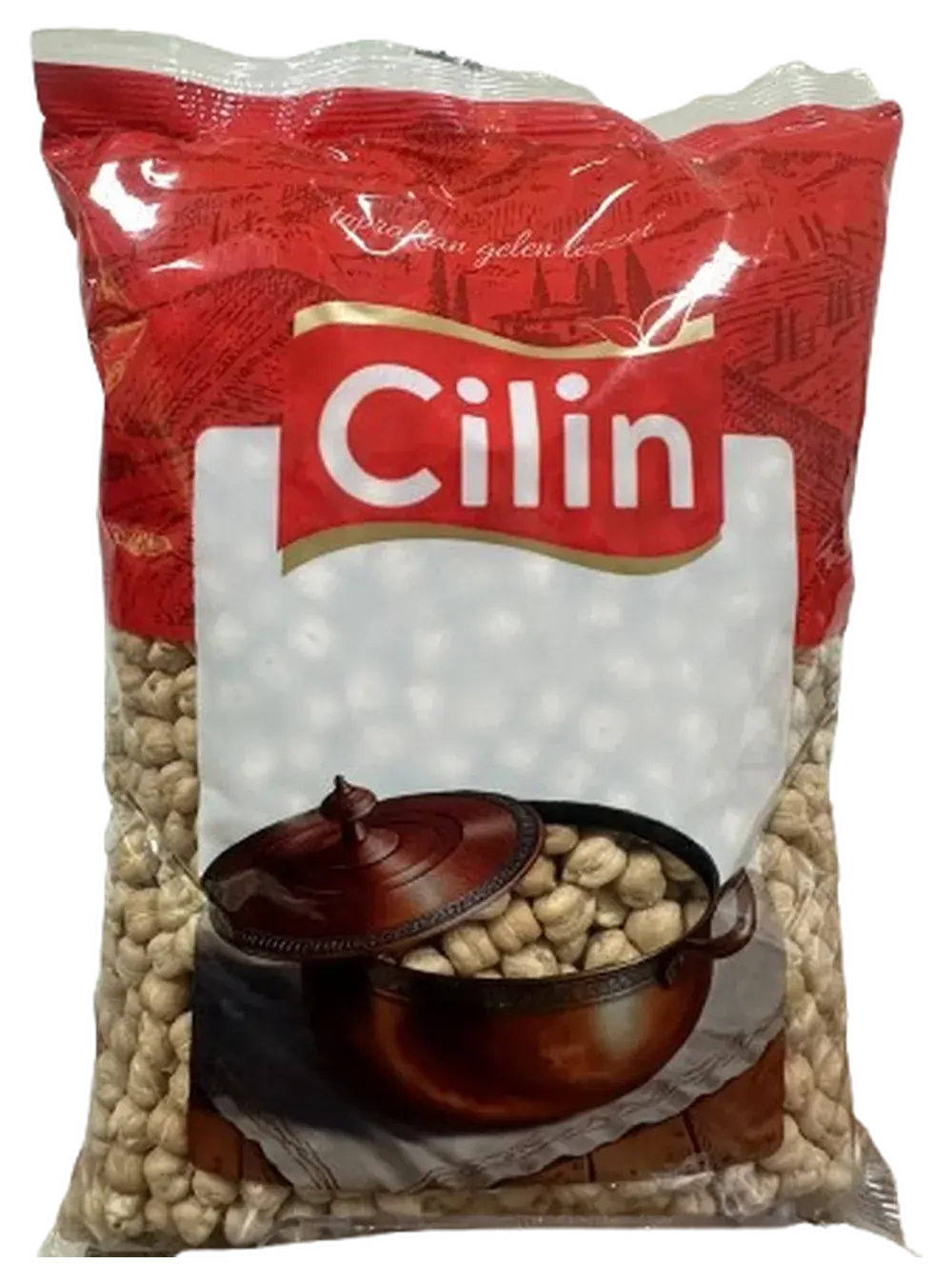
Reigna Gıda produces its Cilin and Serda pulses under TSE, Halal, ISO 9001 and ISO 22000 certification and ships worldwide. Because prices depend on the destination country and the season, every buyer receives a personal quote. For certificate copies and a quote, contact our export desk through the contact page or write on WhatsApp at +90 501 600 35 82.